Introduction to Essential Oils
Essential oils have gained significant popularity in recent years for their various applications in households. These highly concentrated, aromatic liquids are derived from plants and have been used for centuries for their therapeutic properties. In this section, we will explore what essential oils are, how they are extracted, and the benefits they offer when incorporated into our daily lives.
What are essential oils?
Essential oils are volatile compounds extracted from different parts of plants, such as flowers, leaves, stems, bark, and roots. They are referred to as “essential” due to their potent essence or characteristic fragrance, which is the result of the plant’s unique chemical composition. Essential oils are not oily to the touch but are rather clear and volatile, evaporating quickly when exposed to air.
These natural plant extracts contain a wide range of chemical components, including terpenes, phenols, aldehydes, and more. Each essential oil has its own distinct aroma and potential therapeutic properties, making them versatile and valuable additions to various household products.
How are essential oils extracted?
There are several methods used to extract essential oils from plants, with the most common being steam distillation. In this process, steam is passed through the plant material, causing the essential oil to evaporate. The steam and essential oil vapor are then condensed and separated, resulting in the pure essential oil.
Other extraction methods include cold-pressing, which is mainly used for citrus fruits, and solvent extraction, which involves using solvents like hexane or ethanol to extract the essential oil from the plant material. Each extraction method yields different types of essential oils with varying chemical profiles and characteristics.
Benefits of using essential oils in households
Incorporating essential oils into your household routine can provide a range of benefits. Here are some notable advantages:
- Aromatherapy and Emotional Well-being: Essential oils are widely used in aromatherapy to promote relaxation, reduce stress, and enhance mood. The inhalation of certain essential oils can stimulate the limbic system in the brain, influencing emotions and promoting a sense of calm and well-being.
- Natural Cleaning and Disinfection: Many essential oils possess antimicrobial properties, making them excellent natural alternatives for household cleaning and disinfection. They can effectively combat bacteria, viruses, and fungi, providing a healthier environment for you and your family.
- Eco-friendly and Chemical-free: By incorporating essential oils into your household products, you can reduce reliance on chemical-laden alternatives. Essential oils offer a more eco-friendly and natural approach to cleaning, personal care, and home fragrance.
- Versatile Applications: Essential oils can be used in a wide array of household products, including cleaning solutions, air fresheners, beauty and skincare products, and even culinary creations. Their versatility allows you to explore various recipes and create customized products tailored to your needs and preferences.
As you delve deeper into the world of essential oils, you will discover their diverse range of applications and the immense potential they hold for enhancing your household routines and overall well-being.
Storage and Shelf Life of Essential Oils
Proper storage of essential oils is crucial for maintaining their potency and ensuring their longevity. Here are some additional details to consider when it comes to storing essential oils:
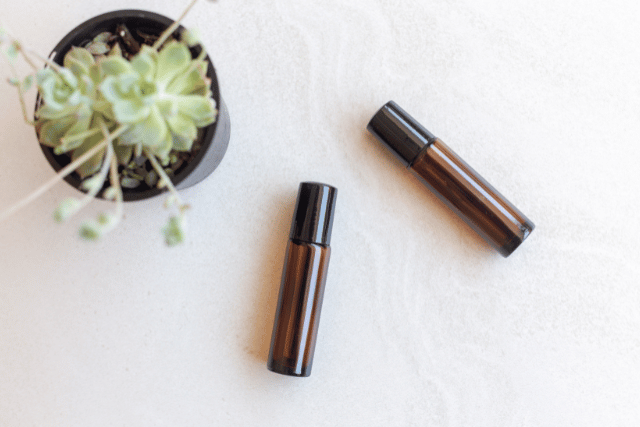
- Dark Glass Bottles: Essential oils should be stored in dark glass bottles, preferably amber or cobalt blue, to protect them from exposure to light. Light can cause the oils to deteriorate and lose their beneficial properties. Avoid storing essential oils in clear or plastic containers as they may interact with the oils and affect their quality.
- Cool and Dry Location: Essential oils should be kept in a cool and dry place, away from direct sunlight, heat sources, and moisture. Prolonged exposure to heat and sunlight can accelerate the oxidation process, leading to a decrease in the oil’s quality. The ideal storage temperature for essential oils is between 15°C and 25°C (59°F and 77°F).
- Childproof Containers: It is crucial to store essential oils in childproof containers to prevent accidental ingestion or misuse. Essential oils are highly concentrated and can be toxic if ingested in large amounts. Keep them out of reach of children and ensure the bottles are properly closed and sealed after each use.
- Shelf Life: Essential oils have varying shelf lives, which can range from 1 to 3 years or even longer, depending on the specific oil and storage conditions. Generally, oils with higher percentages of monoterpenes (e.g., citrus oils) have a shorter shelf life compared to oils with a higher percentage of sesquiterpenes (e.g., sandalwood). Floral oils also tend to have a shorter shelf life. It’s essential to check the individual shelf life of each essential oil and label the bottles with the date of purchase or opening. This will help you keep track of their freshness.
- Avoid Exposure to Air: Essential oils should be stored in airtight containers to minimize their exposure to air. Oxygen can cause the oils to oxidize, leading to a change in their aroma and a decrease in their therapeutic properties. After each use, make sure to seal the bottles tightly to prevent unnecessary contact with air.
- Proper Labeling: To ensure easy identification and safe usage, it is recommended to label each essential oil bottle with its name, date of purchase or opening, and any specific precautions or dilution guidelines. Clear labeling will help you stay organized and make informed decisions when using your essential oils.
- Travel Considerations: When traveling with essential oils, take precautions to prevent spills or leaks. Secure the bottle caps tightly, place them in a sturdy travel case, and store them upright to minimize the risk of leakage. If you are traveling by air, familiarize yourself with the airline’s regulations regarding the transport of essential oils.
Regularly inspect your essential oils for any changes in color, consistency, or aroma. If an essential oil has expired, smells rancid, or has undergone a significant change, it is recommended to discard it and replace it with a fresh bottle. Using expired or compromised oils may result in decreased efficacy or potential skin irritations.
By following these storage practices, you can ensure that your essential oils remain potent, safe to use, and offer optimal benefits for an extended period.
Cleaning Products with Essential Oils
Essential oils offer a natural and effective alternative to conventional cleaning products. By harnessing their antimicrobial, antiviral, and antibacterial properties, you can create your own cleaning solutions that are both safe and effective. Let’s dive into some DIY recipes for all-purpose cleaners, disinfecting sprays, and natural air fresheners using essential oils.
DIY All-Purpose Cleaners
Creating your own all-purpose cleaner allows you to control the ingredients and avoid harsh chemicals found in many commercial products. Here’s an expanded recipe for a DIY all-purpose cleaner:
Ingredients:
- 1 cup distilled water: Distilled water helps ensure the purity of your cleaning solution.
- 1 cup white vinegar: White vinegar is a natural disinfectant and helps cut through grease and grime.
- 10-15 drops of essential oil: Choose essential oils with cleansing and deodorizing properties, such as lemon, tea tree, lavender, eucalyptus, or a combination of oils.
Instructions:
- In a spray bottle, combine the distilled water and white vinegar.
- Add 10-15 drops of your chosen essential oil(s) to the mixture.
- Close the spray bottle and shake well to thoroughly mix the ingredients.
- To use, spray the solution onto surfaces and wipe clean with a cloth or sponge.
This DIY all-purpose cleaner is versatile and effective for cleaning a variety of surfaces, including countertops, sinks, appliances, and bathroom fixtures. The vinegar helps dissolve grime and disinfect, while the essential oils provide a pleasant scent and added cleaning power.
- Grease-Busting Spray: Create a powerful grease-fighting cleaner by combining 1 cup of water, 1/4 cup of castile soap, 10 drops of lemon essential oil, and 5 drops of rosemary essential oil. This mixture is excellent for removing grease and grime from kitchen surfaces and appliances.
- Wood Cleaner and Polish: Make a natural cleaner and polish for wooden furniture by mixing 1/2 cup of olive oil, 1/4 cup of white vinegar, 10 drops of orange essential oil, and 5 drops of cedarwood essential oil. Apply a small amount to a cloth and gently buff the wood for a natural shine.
Disinfecting Sprays
To create a natural disinfecting spray, you can combine essential oils with other household ingredients. Here’s an elaboration of the recipe for a homemade disinfecting spray:
Ingredients:
- 1 cup distilled water: Distilled water ensures purity and avoids impurities found in tap water.
- 1/4 cup white vinegar: White vinegar is known for its disinfecting properties and helps break down grease and dirt.
- 10-15 drops of essential oil: Choose essential oils with potent antimicrobial properties, such as tea tree, eucalyptus, thyme, lavender, or a combination of oils.
Instructions:
- In a spray bottle, combine the distilled water and white vinegar.
- Add 10-15 drops of your chosen essential oil(s) to the mixture.
- Close the spray bottle and shake well to thoroughly blend the ingredients.
- Spray the solution onto surfaces and allow it to sit for a few minutes before wiping clean.
This natural disinfecting spray can be used on various surfaces in your home, including kitchen counters, cutting boards, bathroom fixtures, doorknobs, and other high-touch areas. The antimicrobial properties of essential oils help eliminate germs and provide a clean and sanitary environment.
- Germ-Fighting Spray: In a spray bottle, combine 1 cup of distilled water, 1/4 cup of rubbing alcohol, 10 drops of eucalyptus essential oil, and 5 drops of peppermint essential oil. This blend harnesses the antimicrobial properties of eucalyptus and peppermint to help kill germs and freshen the air.
- Natural Antibacterial Spray: Mix 1 cup of water, 1/4 cup of witch hazel, 10 drops of tea tree essential oil, and 5 drops of lemon essential oil. Tea tree oil is known for its powerful antibacterial properties, making this spray effective in sanitizing surfaces and eliminating odors.
- Fresh Citrus Disinfectant: Combine 1 cup of distilled water, 1/4 cup of rubbing alcohol, 10 drops of grapefruit essential oil, and 5 drops of lemongrass essential oil. This blend not only disinfects surfaces effectively but also leaves behind a refreshing citrus scent.
- Herbal Antiseptic Spray: Mix 1 cup of water, 1/4 cup of witch hazel, 10 drops of lavender essential oil, and 5 drops of tea tree essential oil. This combination harnesses the antibacterial properties of tea tree and the calming effects of lavender to create a natural antiseptic spray for various surfaces.
Natural Air Fresheners
Instead of relying on synthetic air fresheners that often contain harmful chemicals, you can create your own natural air fresheners using essential oils. Here are some expanded methods to freshen the air in your home:
- Spray Bottle Air Freshener: Fill a small spray bottle with distilled water and add 10-15 drops of your preferred essential oil(s). Choose oils with refreshing scents, such as citrus oils (e.g., orange, grapefruit), uplifting oils (e.g., peppermint, lemongrass), or calming oils (e.g., lavender, chamomile). Shake the bottle well before each use and spritz the air as needed to eliminate odors and infuse a pleasant scent throughout your home.
- Reed Diffuser: Create a natural and long-lasting air freshener by making a reed diffuser. Mix a carrier oil, such as sweet almond oil or safflower oil, with 20-25 drops of your chosen essential oil(s). Select oils that have your desired scent profile and mood-enhancing effects. Pour the mixture into a glass jar and insert reed diffuser sticks. The sticks will absorb the oil and release the fragrance into the air, providing a continuous and subtle scent.
- Linen Spray: Create a refreshing linen spray by combining 1/2 cup of distilled water, 2 tablespoons of vodka or rubbing alcohol, and 15 drops of your favorite essential oils such as lavender, chamomile, and ylang-ylang. Spray this mixture onto your bedsheets, curtains, or upholstery to give them a delightful and calming fragrance.
- Citrus Room Spray: Make a zesty and uplifting room spray by mixing 1 cup of distilled water, 2 tablespoons of witch hazel, and 10 drops each of lemon, grapefruit, and sweet orange essential oils. This invigorating blend will freshen the air and create a vibrant atmosphere in your living spaces.
- Relaxing Pillow Mist: Create a soothing mist to promote relaxation and better sleep. Combine 1/2 cup of distilled water, 2 tablespoons of vodka or rubbing alcohol, and 10 drops each of lavender and chamomile essential oils. Spray lightly onto your pillow before bedtime.
- Energizing Citrus Diffuser Blend: Fill a diffuser with water and add 5 drops of lemon essential oil, 3 drops of grapefruit essential oil, and 2 drops of peppermint essential oil. This energizing blend will uplift your mood and invigorate your space.
These natural air fresheners can be used in any room of your home to create a refreshing and inviting atmosphere. You can customize the scents based on your preferences and experiment with different essential oil combinations to create unique blends that suit your taste.
Remember to label your homemade cleaning products and air fresheners appropriately, including the ingredients used and the date of preparation. Store them in a cool, dry place, away from direct sunlight, to maintain their potency and freshness.
Personal Care Products with Essential Oils
Essential oils can be a wonderful addition to your personal care routine, providing natural fragrance and potential therapeutic benefits. By incorporating essential oils into homemade personal care products, you can create customized items that cater to your preferences and needs. Let’s delve deeper into the possibilities of using essential oils in personal care products.
Aromatherapy Bath Salts and Bombs
Transform your bath time into a luxurious and therapeutic experience with the help of essential oils. Aromatherapy bath salts and bombs can enhance relaxation, relieve stress, and soothe the body and mind.
- Bath Salts: In a bowl, combine 1 cup of Epsom salt, 1/4 cup of baking soda, and 10-15 drops of your preferred essential oil(s). Epsom salt helps to relax muscles and alleviate tension, while baking soda provides a gentle cleansing effect. Choose essential oils known for their calming properties, such as lavender, chamomile, or ylang-ylang. Mix well and store the bath salts in a sealed container. Add a few tablespoons to your bathwater and let the soothing aroma envelop you as you soak.
- Bath Bombs: Making your own bath bombs allows you to customize the scents and colors while incorporating the benefits of essential oils. In a mixing bowl, combine 1 cup of baking soda, 1/2 cup of citric acid, 1/2 cup of cornstarch, 1/4 cup of Epsom salt, 2-3 tablespoons of carrier oil (such as coconut oil), 10-15 drops of essential oil(s), and a few drops of natural food coloring if desired. Mix the ingredients until they form a crumbly texture. Firmly pack the mixture into bath bomb molds or shape them into balls by hand. Let them dry and harden for 24-48 hours. When ready, drop a bath bomb into warm bathwater and enjoy the fizzy release of delightful scents and moisturizing properties of the essential oils.
Homemade Soaps and Body Washes
Creating your own soaps and body washes not only allows you to customize the scents but also enables you to control the ingredients, making them suitable for your skin type and preferences.
- Melt and Pour Soap: Melt and pour soap bases are readily available and easy to work with. Choose a high-quality, natural soap base, cut it into small cubes, and melt it in a microwave-safe container according to the package instructions. Once melted, add 10-15 drops of your chosen essential oil(s) to the soap base, stirring gently to incorporate the fragrance. Pour the mixture into soap molds and let it cool and harden completely before removing from the molds. These homemade soaps can be used for handwashing, body cleansing, or as thoughtful gifts for loved ones.
- Body Wash: To create a gentle and nourishing body wash, start with a base of liquid castile soap, which is a mild and natural soap made from vegetable oils. In a container with a pump dispenser, combine 1 cup of liquid castile soap, 1/4 cup of honey or aloe vera gel for added moisturizing properties, 2 tablespoons of carrier oil (such as sweet almond oil or jojoba oil), and 10-15 drops of your preferred essential oil(s) for fragrance. Shake the mixture well before each use, and enjoy the aromatic and cleansing experience of your homemade body wash.
Natural Perfumes and Colognes
Creating your own natural perfumes and colognes with essential oils allows you to develop unique scents that suit your personal style. These homemade fragrances are free from synthetic ingredients and can be tailored to your preferences.
- Perfume: Crafting your own perfume is an artistic and enjoyable process. Start by selecting a carrier oil, such as fractionated coconut oil or jojoba oil, as the base for your perfume. In a small glass bottle, combine 2 tablespoons of the carrier oil with 10-15 drops of your desired essential oil(s). You can experiment with different combinations of essential oils to create your signature scent. Popular choices include floral oils like rose, jasmine, or ylang-ylang, or citrus oils like bergamot or grapefruit. For added preservation, consider adding a few drops of vitamin E oil. Allow the perfume to mature for a few days to allow the scents to blend and develop. Apply a small amount to your pulse points for a natural and personalized fragrance.
- Cologne: Creating a cologne follows a similar process to making perfume, but with a different selection of essential oils. Start by combining 2 tablespoons of high-proof vodka or witch hazel with 10-15 drops of your preferred essential oil(s) in a small spray bottle. Choose scents that are typically associated with colognes, such as woodsy oils like cedarwood or sandalwood, or herbal oils like basil or peppermint. For added longevity of the scent, you can include a few drops of glycerin. Allow the cologne to sit for a day or two to allow the scents to blend, and then spray lightly on your skin or clothing for a refreshing and personalized fragrance.
When making personal care products with essential oils, ensure that you are using high-quality, pure essential oils that are safe for topical use. Perform a patch test on a small area of your skin to check for any potential allergies or sensitivities before using a new product extensively.
Cooking with Essential Oils
Essential oils can add an exciting dimension to your culinary adventures, infusing dishes with unique flavors, aromas, and therapeutic benefits. When used appropriately, essential oils can elevate your cooking and baking to new heights. Let’s explore the various ways you can incorporate essential oils into your culinary creations.
Culinary Uses of Essential Oils
Essential oils are potent and concentrated extracts derived from plants, and they can provide intense flavors to your dishes. However, it’s important to remember that a little goes a long way. Here are some culinary uses of essential oils:
- Seasoning and Flavoring: Essential oils can be used as a seasoning or flavoring agent in various recipes. To use essential oils for seasoning, dip a toothpick into the oil bottle and swirl it into sauces, marinades, dressings, or dips. This technique allows you to control the amount of oil you’re adding, preventing the flavor from overpowering the dish. Popular choices for flavoring include citrus oils like lemon, orange, or lime, as well as herbal oils like basil, oregano, or thyme. Experiment with different oils to create unique flavor combinations.
- Beverages: Essential oils can enhance the flavor of your beverages. Add a drop or two of essential oil to water, tea, or smoothies for a burst of taste. Citrus oils like grapefruit, bergamot, or tangerine can add refreshing notes to your drinks, while peppermint or spearmint oils can invigorate your beverages. Remember to start with a small amount, as essential oils are highly concentrated.
- Desserts: Essential oils can be a game-changer in desserts, providing vibrant and unique flavors. They can be used to enhance the taste of cakes, cookies, frostings, ice creams, and more. For example, a drop of peppermint oil can add a refreshing twist to your chocolate recipes, lemon or orange oil can brighten up cakes and cookies, and lavender oil can impart a delicate floral note to ice cream or custards. Always start with a small amount of essential oil and adjust to taste, as their potency can vary.
Recipes for Infused Oils and Dressings
Infused oils and dressings can be created by combining essential oils with carrier oils or other ingredients. These creations can add depth, complexity, and unique flavors to your dishes. Here are a couple of recipes to inspire you:
- Garlic Herb Infused Oil: In a glass jar, combine 1 cup of extra virgin olive oil with 4-5 drops each of garlic essential oil, rosemary essential oil, and thyme essential oil. Stir well to combine, and let the flavors infuse for a few days before using. This versatile oil can be drizzled over salads, pasta dishes, roasted vegetables, or used as a marinade for meats.
- Citrus Vinaigrette: In a small bowl, whisk together 3 tablespoons of extra virgin olive oil, 1 tablespoon of lemon juice, 1 tablespoon of orange juice, 1 teaspoon of honey or maple syrup, a pinch of salt, and 2-3 drops of lemon or orange essential oil. Adjust the flavors to your liking, and serve this tangy dressing over salads, grilled vegetables, or roasted chicken.
Feel free to experiment with different essential oil combinations and customize the recipes to suit your taste preferences.
Baking with Essential Oils
Baking with essential oils can add unique and intense flavors to your baked goods. However, it’s crucial to exercise caution and use them judiciously. Here are a few tips for baking with essential oils:
- Substitutions: In some cases, you can substitute a small amount of essential oil for zest or extract called for in a recipe. For example, a drop of lemon essential oil can replace the zest of a lemon, or a drop of peppermint essential oil can replace a teaspoon of peppermint extract. Start with a minimal amount and adjust to taste, as essential oils are highly concentrated.
- Mixing with Wet Ingredients: To ensure that essential oils are evenly distributed in your baked goods, mix them with wet ingredients like melted butter, oil, or eggs before incorporating them into your batter. This helps to disperse the flavors more evenly throughout the final product.
It’s important to note that not all essential oils are safe for consumption. Use only food-grade essential oils from reputable sources, and make sure they are labeled for internal use. If you’re unsure about the safety or suitability of an essential oil for culinary purposes, consult the guidelines provided by the essential oil manufacturer or seek advice from a culinary professional.
Cooking with Essential Oils
Essential oils can add an exciting dimension to your culinary adventures, infusing dishes with unique flavors, aromas, and therapeutic benefits. When used appropriately, essential oils can elevate your cooking and baking to new heights. Let’s explore the various ways you can incorporate essential oils into your culinary creations.
Culinary Uses of Essential Oils
Essential oils are potent and concentrated extracts derived from plants, and they can provide intense flavors to your dishes. However, it’s important to remember that a little goes a long way. Here are some culinary uses of essential oils:
- Seasoning and Flavoring: Essential oils can be used as a seasoning or flavoring agent in various recipes. To use essential oils for seasoning, dip a toothpick into the oil bottle and swirl it into sauces, marinades, dressings, or dips. This technique allows you to control the amount of oil you’re adding, preventing the flavor from overpowering the dish. Popular choices for flavoring include citrus oils like lemon, orange, or lime, as well as herbal oils like basil, oregano, or thyme. Experiment with different oils to create unique flavor combinations.
- Beverages: Essential oils can enhance the flavor of your beverages. Add a drop or two of essential oil to water, tea, or smoothies for a burst of taste. Citrus oils like grapefruit, bergamot, or tangerine can add refreshing notes to your drinks, while peppermint or spearmint oils can invigorate your beverages. Remember to start with a small amount, as essential oils are highly concentrated.
- Desserts: Essential oils can be a game-changer in desserts, providing vibrant and unique flavors. They can be used to enhance the taste of cakes, cookies, frostings, ice creams, and more. For example, a drop of peppermint oil can add a refreshing twist to your chocolate recipes, lemon or orange oil can brighten up cakes and cookies, and lavender oil can impart a delicate floral note to ice cream or custards. Always start with a small amount of essential oil and adjust to taste, as their potency can vary.
Recipes for Infused Oils and Dressings
Infused oils and dressings can be created by combining essential oils with carrier oils or other ingredients. These creations can add depth, complexity, and unique flavors to your dishes. Here are a couple of recipes to inspire you:
- Garlic Herb Infused Oil: In a glass jar, combine 1 cup of extra virgin olive oil with 4-5 drops each of garlic essential oil, rosemary essential oil, and thyme essential oil. Stir well to combine, and let the flavors infuse for a few days before using. This versatile oil can be drizzled over salads, pasta dishes, roasted vegetables, or used as a marinade for meats.
- Citrus Vinaigrette: In a small bowl, whisk together 3 tablespoons of extra virgin olive oil, 1 tablespoon of lemon juice, 1 tablespoon of orange juice, 1 teaspoon of honey or maple syrup, a pinch of salt, and 2-3 drops of lemon or orange essential oil. Adjust the flavors to your liking, and serve this tangy dressing over salads, grilled vegetables, or roasted chicken.
Feel free to experiment with different essential oil combinations and customize the recipes to suit your taste preferences.
Baking with Essential Oils
Baking with essential oils can add unique and intense flavors to your baked goods. However, it’s crucial to exercise caution and use them judiciously. Here are a few tips for baking with essential oils:
- Substitutions: In some cases, you can substitute a small amount of essential oil for zest or extract called for in a recipe. For example, a drop of lemon essential oil can replace the zest of a lemon, or a drop of peppermint essential oil can replace a teaspoon of peppermint extract. Start with a minimal amount and adjust to taste, as essential oils are highly concentrated.
- Mixing with Wet Ingredients: To ensure that essential oils are evenly distributed in your baked goods, mix them with wet ingredients like melted butter, oil, or eggs before incorporating them into your batter. This helps to disperse the flavors more evenly throughout the final product.
It’s important to note that not all essential oils are safe for consumption. Use only food-grade essential oils from reputable sources, and make sure they are labeled for internal use. If you’re unsure about the safety or suitability of an essential oil for culinary purposes, consult the guidelines provided by the essential oil manufacturer or seek advice from a culinary professional.
Essential Oils for Home Décor
Essential oils can do more than just provide pleasant scents; they can also enhance the ambiance and atmosphere of your home. By incorporating essential oils into your home décor, you can create a soothing and inviting environment that appeals to the senses and promotes relaxation. Let’s explore some creative ways you can use essential oils to elevate your home décor.
DIY Scented Candles
Creating your own scented candles using essential oils allows you to customize the fragrance and ambiance of your living space. The soft glow of candlelight combined with the captivating aroma of essential oils can create a cozy and welcoming atmosphere. Here are some additional tips and ideas for DIY scented candles:
- Experiment with different essential oil combinations to create unique and personalized scents for different areas of your home. For example, you might use lavender and chamomile essential oils for a calming effect in the bedroom, while citrus oils like lemon and grapefruit can invigorate your living room or kitchen.
- Consider using natural materials such as soy wax or beeswax for your candles. These materials are eco-friendly and provide a clean and long-lasting burn.
- Get creative with candle containers. You can repurpose glass jars, teacups, or even seashells to hold your candles, adding a touch of charm and personality to your décor.
Reed Diffusers and Room Sprays
Reed diffusers and room sprays offer an effortless and continuous way to infuse your living spaces with the delightful scents of essential oils. These options are particularly suitable for areas where an open flame may not be desirable, such as offices or homes with small children or pets. Here are some additional ideas to enhance your use of reed diffusers and room sprays:
- Customize your reed diffusers by using different types of reeds. Thin reeds will allow for a more subtle fragrance, while thicker reeds will release a stronger scent. Experiment with different combinations to achieve your desired aroma intensity.
- Add decorative elements to your reed diffusers and room sprays. Consider placing dried flowers, colorful gemstones, or decorative twigs in the jars or bottles to create a visually appealing display.
- Create themed room sprays to complement different seasons or occasions. For example, a blend of cinnamon, clove, and orange essential oils can evoke a warm and cozy atmosphere during the winter holidays, while a mix of eucalyptus and peppermint oils can refresh your space in the summertime.
Potpourri and Sachets
Potpourri and sachets are charming decorative items that release subtle fragrances into your living spaces. They not only add a delightful aroma but also serve as eye-catching accents in your home décor. Here are some additional ideas for using potpourri and sachets:
- Experiment with different dried flowers, herbs, and botanicals to create unique potpourri blends. Lavender, rose petals, dried citrus peels, and cinnamon sticks are popular choices. Add a few drops of essential oils to enhance the scent of the mixture and refresh it as needed.
- Customize your sachets by choosing fabric patterns and colors that complement your décor. Consider adding decorative ribbons, buttons, or embroidery to make them even more visually appealing.
- Place potpourri or sachets in strategic locations throughout your home, such as near doorways, on shelves, or in bathrooms, to spread delightful scents and create a welcoming atmosphere.
Remember to periodically refresh the scent of your potpourri and sachets by adding a few more drops of essential oils as needed.
By incorporating essential oils into your home décor, you can create a multi-sensory experience that promotes relaxation, uplifts your mood, and transforms your living spaces into a sanctuary of tranquility. Enjoy the delightful aromas that fill your home and the calming effects they bring to your daily life.
Essential Oils for Pest Control
Essential oils can be a valuable tool in your efforts to control pests in and around your home. Not only are they a natural and eco-friendly alternative to chemical-based repellents, but they also offer a range of benefits beyond just keeping pests away. Let’s explore how essential oils can be used effectively for pest control.
Natural Repellents for Insects
Many essential oils possess properties that insects find unpleasant or irritating, making them effective natural repellents. Here are some essential oils known for their ability to repel insects:
- Lavender: Lavender essential oil is a versatile insect repellent that can deter mosquitoes, flies, and moths. Its pleasant floral scent also helps create a calming and relaxing environment.
- Citronella: Citronella essential oil is commonly used to repel mosquitoes. Its strong citrus aroma masks scents that attract mosquitoes, helping to keep them at bay.
- Peppermint: Peppermint essential oil is known for its ability to repel ants, spiders, and other crawling insects. Its strong minty scent acts as a deterrent and can disrupt the insects’ sensory systems.
- Eucalyptus: Eucalyptus essential oil has mosquito-repellent properties. Its fresh and invigorating aroma is disliked by mosquitoes, making it an effective natural option for keeping them away.
To use these essential oils as insect repellents, you can dilute them in a carrier oil, such as coconut oil or jojoba oil, and apply them to exposed areas of your body or clothing. Alternatively, you can create a DIY insect repellent spray by combining a few drops of essential oil with water in a spray bottle. Shake well before use and spray it around doorways, windows, or outdoor areas where pests are a concern.
Essential Oils for Deterring Pests
In addition to insects, essential oils can also be used to deter other common household pests. Here are a few examples:
- Rodents: Peppermint essential oil is known for its ability to deter mice and rats. Soak cotton balls in peppermint oil and place them in areas where rodents are likely to enter, such as near entry points or in corners of rooms.
- Spiders: Spiders dislike the strong scents of essential oils like peppermint, tea tree, and citrus oils. Create a natural spider repellent spray by combining a few drops of these oils with water and spray it in areas where spiders are frequently found, such as corners, windowsills, and entryways.
- Ants: Ants can be deterred by essential oils such as peppermint, tea tree, and cinnamon. Create a solution by combining a few drops of these oils with water or a natural liquid soap, and spray it along ant trails or near entry points to discourage them from entering your home.
Using Oils to Keep a Clean and Pest-Free Home
Essential oils can also be incorporated into your regular cleaning routine to maintain a clean and pest-free home. Here are a few tips:
- All-Purpose Cleaner: Create a DIY all-purpose cleaner by combining water, vinegar, and a few drops of essential oils with antimicrobial properties, such as tea tree or lemon oil. Use this mixture to clean surfaces and areas where pests are likely to gather, such as kitchen countertops or bathroom tiles.
- Air Freshener: Make a natural air freshener by combining water and a few drops of your favorite essential oils in a spray bottle. Use it to freshen up your home while simultaneously repelling insects and pests.
- Floor Wash: Add a few drops of essential oils with pest-repellent properties, such as citronella or eucalyptus, to your mop water when cleaning your floors. This can help discourage pests like ants or spiders from crawling on your floors.
Remember to patch test any essential oils or mixtures on a small, inconspicuous area before applying them to larger surfaces. It’s also important to note that while essential oils can be effective in repelling pests, their effects may vary, and it’s not a foolproof solution for severe infestations. In such cases, it may be necessary to consult with a professional pest control service.
Essential Oils for Pest Control
When it comes to controlling pests in and around your home, essential oils can be a valuable and natural solution. In addition to their pleasant scents, many essential oils have properties that insects and pests find repulsive, making them effective repellents. Let’s explore how essential oils can be used in more detail for pest control.
Natural Repellents for Insects
Essential oils are known for their ability to repel a wide range of insects. Here are some additional essential oils that can be used as natural insect repellents:
- Cedarwood: Cedarwood essential oil has a strong scent that repels many insects, including mosquitoes, flies, and moths. It can be particularly effective in closets or storage areas where clothes may be susceptible to moth damage.
- Lemongrass: Lemongrass essential oil is a potent insect repellent, especially against mosquitoes. Its citrusy scent masks the attractant odors that mosquitoes are drawn to, making it an excellent choice for outdoor activities.
- Rosemary: Rosemary essential oil is known for repelling mosquitoes and flies. Its herbal aroma can help keep these pests at bay while adding a refreshing scent to your surroundings.
- Clove: Clove essential oil has strong antimicrobial and insect-repellent properties. It can be effective against ants, mosquitoes, and other insects that invade your living spaces.
To use these essential oils as insect repellents, you can dilute them in a carrier oil, such as almond oil or grapeseed oil, and apply them to your skin or clothing. Remember to perform a patch test before applying the oils to your skin to ensure you do not have any adverse reactions. Additionally, you can create a homemade insect repellent spray by combining a few drops of essential oil with water or witch hazel in a spray bottle. Shake well before use and apply it to exposed areas of your body or as a room spray to repel insects.
Essential Oils for Deterring Pests
Essential oils can also be used to deter other common household pests. Here are a few examples:
- Rodents: Peppermint essential oil is known for its ability to deter mice and rats. Soak cotton balls in peppermint oil and place them in areas where rodents are likely to enter, such as near cracks or openings in walls, cabinets, or attics. The strong scent of peppermint can help keep rodents away from these areas.
- Spiders: Spiders are often deterred by essential oils with strong scents. In addition to peppermint, oils such as tea tree, eucalyptus, or citrus oils can be effective in repelling spiders. Create a solution by combining a few drops of these oils with water and spray it in areas where spiders are frequently found, such as corners, windowsills, or doorways.
- Ants: Essential oils such as peppermint, tea tree, and cinnamon are known to discourage ants. Create a solution by adding a few drops of these oils to water or a natural liquid soap, and spray it along ant trails or near entry points to deter them from entering your home.
Using Oils to Keep a Clean and Pest-Free Home
In addition to their repellent properties, essential oils can be incorporated into your regular cleaning routine to maintain a clean and pest-free home. Here are some ideas:
- All-Purpose Cleaner: Create a DIY all-purpose cleaner by combining water, vinegar, and a few drops of essential oils with antimicrobial properties, such as tea tree or lemon oil. Use this mixture to clean surfaces and areas where pests are likely to gather, such as kitchen countertops, bathroom tiles, or cabinets.
- Air Freshener: Make a natural air freshener by combining water and a few drops of your favorite essential oils in a spray bottle. Use it to freshen up your home while simultaneously repelling insects and pests. Spray it in areas where pests are likely to enter, such as doorways or windowsills.
- Floor Wash: Add a few drops of essential oils with pest-repellent properties, such as citronella or eucalyptus, to your mop water when cleaning your floors. This can help deter pests like ants or spiders from crawling on your floors.
Remember that while essential oils can be effective in repelling pests, their effects may vary depending on the pest species and the concentration of the oil used. It’s important to note that essential oils are not a foolproof solution for severe pest infestations, and it may be necessary to consult with a professional pest control service for such cases.
By harnessing the power of essential oils for pest control, you can maintain a cleaner and more pest-free environment while minimizing your reliance on chemical-based repellents. Enjoy the benefits of a naturally fresh and pest-free home!
Essential Oils for Laundry and Fabric Care
Essential oils can do more than just freshen the air—they can also elevate your laundry and fabric care routine. From homemade laundry detergents to fabric softeners and refreshing linens, incorporating essential oils adds a touch of natural fragrance and offers potential benefits. Let’s dive deeper into these methods:
Homemade Laundry Detergent with Essential Oils
Creating your own laundry detergent allows you to tailor the scent and avoid harsh chemicals found in some commercial products. In addition to providing a delightful aroma, essential oils can contribute their natural properties to your homemade detergent. Here’s a more detailed recipe for homemade laundry detergent using essential oils:
Ingredients:
- 2 cups of washing soda
- 2 cups of borax
- 1 bar of grated castile soap (unscented or scented)
- 20-30 drops of your preferred essential oil (e.g., lavender, lemon, tea tree)
Instructions:
- In a large bowl, combine the washing soda, borax, and grated castile soap.
- Add the essential oil drops to the mixture and stir well to distribute the scent.
- Store the detergent in an airtight container.
- Use 1-2 tablespoons of the homemade detergent per load of laundry.
By incorporating essential oils into your homemade detergent, you can infuse your clothes with a pleasant scent while benefiting from the natural properties of the oils, such as their antibacterial or deodorizing effects.
Fabric Softeners and Dryer Sheets
Traditional fabric softeners and dryer sheets often contain synthetic fragrances and chemicals that may irritate sensitive skin. By using essential oils, you can create your own fabric softeners and dryer sheets that are free from harsh ingredients. Here are a couple of options:
- Fabric Softener Spray: Fill a spray bottle with water and add a few drops of your preferred essential oil, such as lavender or eucalyptus. Shake well before each use. Spray the mixture onto a clean cloth or dryer balls and toss them in the dryer with your clothes. The essential oils will release their aroma, leaving your laundry smelling fresh and feeling soft.
- Dryer Sheets: Cut squares of cotton fabric or old T-shirts into small pieces. Add a few drops of essential oil to each fabric piece. Toss one or two scented fabric pieces into the dryer with your laundry. They will act as natural dryer sheets, reducing static and infusing your clothes with a pleasant scent.
These DIY fabric softeners and dryer sheets offer a natural alternative, allowing you to enjoy the benefits of essential oils while taking care of your fabrics and maintaining a fresh scent.
Refreshing Linens with Essential Oils
Adding essential oils to your linens can transform them into a soothing and aromatic experience. Whether it’s your sheets, towels, or curtains, here’s a simple method to refresh and revitalize them with essential oils:
- Fill a spray bottle with water and add a few drops of your chosen essential oil. Lavender, chamomile, or citrus oils work well for this purpose.
- Shake the bottle well to combine the water and essential oil.
- Lightly mist the linens with the scented water, ensuring even coverage.
- Allow the linens to air dry or use a low heat setting on the dryer.
The gentle aroma of essential oils will permeate your linens, providing a calming or invigorating effect depending on the selected oil. Not only will your linens smell wonderful, but they’ll also create a soothing ambiance in your living space.
Incorporating essential oils into your laundry and fabric care routine allows you to enjoy the benefits of natural scents while avoiding harsh chemicals. Experiment with different essential oils and their combinations to find your favorite fragrances and transform your laundry and linens into a fragrant and refreshing experience.
Essential Oils for Pet Care
Essential oils can be a valuable addition to your pet care routine, providing natural solutions for various issues and promoting their overall well-being. However, it’s crucial to exercise caution and prioritize the safety of your pets. Here’s a deeper exploration of using essential oils for pet care:
Safe Essential Oils for Pets
When using essential oils for pets, it’s important to choose oils that are safe and non-toxic for their specific species. Some essential oils can be harmful or even fatal to pets, especially cats and small animals. Here are a few safe essential oils for dogs and some larger animals:
- Lavender: Lavender essential oil is renowned for its calming properties. It can help soothe anxious pets, promote relaxation, and aid in sleep. It’s generally well-tolerated by dogs.
- Chamomile: Chamomile essential oil has similar calming effects and can be used to relieve stress and anxiety in pets. It’s particularly helpful for dogs with nervousness or digestive issues.
- Frankincense: Frankincense essential oil is often used to support overall wellness in pets. It can help with relaxation, immune support, and soothing skin irritations.
- Cedarwood: Cedarwood essential oil is commonly used as a natural insect repellent for pets. It can help repel fleas, ticks, and other pests, making it beneficial for dogs that spend time outdoors.
Remember, it’s crucial to consult with a veterinarian before using any essential oils on or around your pets to ensure they are safe and suitable for your specific pet.
DIY Pet Shampoos and Sprays
Creating your own pet shampoos and sprays using pet-safe essential oils allows you to avoid harsh chemicals and artificial fragrances. Here’s an elaboration of the DIY pet shampoo recipe:
Ingredients:
- 1 cup of mild, unscented pet shampoo or castile soap
- 1 cup of water
- 10-15 drops of pet-safe essential oil (e.g., lavender, chamomile)
Instructions:
- In a container, combine the pet shampoo or castile soap with water.
- Add the essential oil drops to the mixture and stir well to blend.
- Use the shampoo as you would normally when bathing your pet, avoiding the face and eyes.
For a refreshing pet spray, you can dilute a pet-safe essential oil with water in a spray bottle. Shake well before each use and mist your pet’s fur lightly, avoiding the face.
These DIY pet shampoos and sprays can help keep your pet clean, fresh, and calm while providing the benefits of essential oils.
Calming Oils for Anxious Pets
Anxiety and stress can affect pets just like they do humans. Essential oils can be a natural tool to help calm anxious pets and promote relaxation. Here are a few oils known for their calming properties:
- Lavender: Lavender essential oil is widely recognized for its soothing effects. It can help reduce anxiety, relieve nervousness, and promote a sense of calm in pets.
- Valerian: Valerian essential oil is known for its sedative properties and can be used to help calm pets with severe anxiety or during stressful situations. However, it should be used sparingly and under the guidance of a veterinarian.
- Sweet Marjoram: Sweet marjoram essential oil has comforting properties and can help pets with separation anxiety or nervousness. Its warm and gentle aroma can promote a sense of security and relaxation.
It’s important to note that the effects of essential oils can vary between individual pets, so it’s essential to monitor your pet’s response and discontinue use if any adverse reactions occur. Start with low concentrations and consult with a veterinarian if you have any concerns or questions.
Conclusion
In conclusion, essential oils offer a wide range of possibilities for household use, providing natural alternatives to conventional products and enhancing various aspects of daily life. From cleaning products and personal care items to cooking, home décor, pest control, and pet care, essential oils can be incorporated into numerous areas of our routines. By harnessing the power of these concentrated plant extracts, we can create DIY solutions that are free from harsh chemicals, promote well-being, and bring delightful scents into our homes. However, it is crucial to prioritize safety, proper handling, and appropriate dilution when using essential oils. Consultation with experts and awareness of individual sensitivities, especially when it comes to children, pets, and individuals with specific health conditions, is essential. With proper knowledge and careful application, essential oils can enrich our lives and contribute to a healthier and more sustainable household environment.